Wolf packs move into Finnish villages after Google clears forest for AI projects
Local residents report increased wildlife sightings near unauthorized data center construction sites in eastern Finland.
By Mykola Bondarenko ·
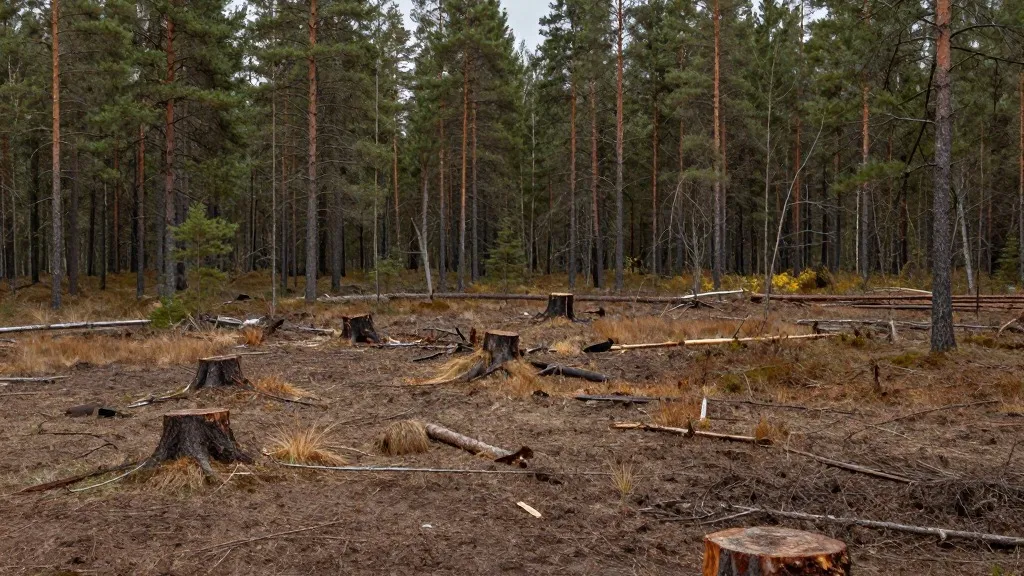
Wolves that previously inhabited the forests of eastern Finland have begun roaming into neighboring villages, a shift attributed to the recent clearing of woodlands for new artificial intelligence infrastructure. The development has intensified local tensions as residents report that wild animals, seeking new territory, are entering residential areas where they are less common.
The wildlife migration follows a regulatory crackdown on Google’s construction activities near the town of Muhos. The Finnish Licensing and Supervision Authority (LVV) issued an order for the tech giant to cease work in areas where approximately 500 acres of forest had been removed. This site is located roughly 55 miles southeast of the village of Otanmäki. In response to the situation, Google’s country manager for Finland has apologized for the unauthorized clearings, acknowledging that the work has turned 816 acres of forest into a muddy expanse.
For decades, the dense forests in this region provided a natural habitat for local wolf packs. With that environment disrupted by the construction of data centers, the animals have been displaced. Anni Ranta, a 53-year-old resident whose family has lived in Otanmäki for generations, explained that the wolves entered the village because the wild animals were forced out of their forest home. Ranta also expressed concern that the presence of large, U.S.-owned data centers could make Finland a more attractive target for Russian aggression.
The situation highlights a broader pattern of conflict between AI infrastructure developers and local environments. While Google is not the first company to face complaints about the ecological footprint of its data centers, the Finnish case has drawn particular attention due to the scale of the clearing and the lack of prior authorization. Local residents have also reported other side effects of the construction, including constant factory noise, streams turning brown, and the displacement of rare bird species.
Environmental groups have been vocal in their criticism. A representative for the Finnish Association for Nature Conservation (SLL) described Google’s handling of environmental policy as unprecedented and clearly flawed. The regulatory body’s decision to halt work aligns with this view, signaling that the construction process did not meet legal standards. Despite the stop-work order, Google has attempted to maintain a positive stance toward its partners and regulators.
A Google spokesperson stated that the company will fully comply with the requests made by the LVV. The company expressed its desire to keep an open dialogue with local authorities and organizations to strengthen its partnership with Finland. The tech giant appears to be betting that the long-term business benefits of the data centers will eventually outweigh the current friction with the community and regulators.
This latest incident adds to a series of reports from earlier this month regarding Google’s construction plans in Muhos and Kajaani. The Finnish government had previously issued notice to stop construction activities in these specific locations. As the work pauses, the focus now shifts to how the displaced wildlife will adapt and how the muddy, cleared lands will be managed.
For now, the immediate concern for villagers like Ranta is safety. With the natural barriers of the forest gone, the boundary between the wild and the residential area has blurred. Residents are left to monitor the movements of the wolves and other displaced animals, hoping that the new landscape will eventually stabilize or that the construction will resume in a way that allows the ecosystem to recover.
The next steps will likely involve continued negotiations between Google and the Finnish authorities. While the stop-work order provides a temporary pause, it does not resolve the underlying questions about the environmental cost of rapid AI expansion. The community is watching closely to see if the promised dialogue leads to concrete changes in how these large-scale projects are planned and executed.
Source: Tom's Hardware