Microducks Capture Holiday Toy Market After Viral Keynote Debut
A cluster of open-source robot ducks has sold out its initial preorder wave following a charming appearance by Nvidia’s CEO, positioning them as a top contender for Christmas shopping.
By Naledi Dlamini ·
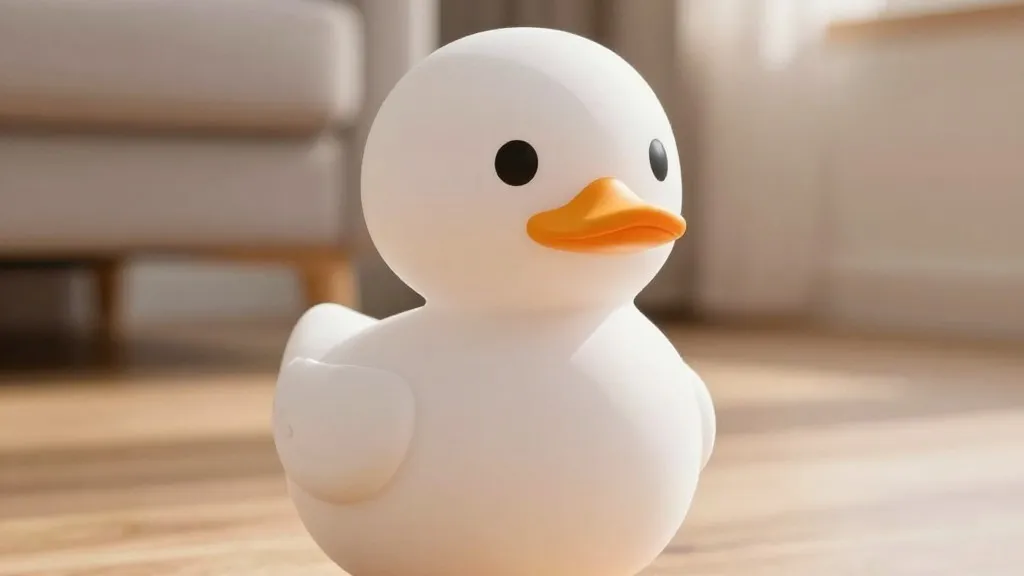
For Pacific Northwest shoppers eyeing the holiday market, the conversation about this year’s top tech gift has shifted sharply toward a new, waddling competitor. Following a viral moment at a recent industry conference, preorders for the Microduck robots have surged past 20,000 units. This rapid uptake suggests the small, programmable devices are already carving out a significant niche in the seasonal toy landscape, potentially challenging more established electronics categories.
The momentum for the Microducks was ignited during Nvidia’s GTC Berlin conference earlier this week. During the keynote address, CEO Jensen Huang took a break from the technical presentations to interact with a live flock of the robots. The video of the interaction quickly spread across social media, showcasing the ducks’ ability to stomp their feet, sit, and perform summersaults on voice command. One of the most noted features in the footage was their ability to collapse onto the floor to simulate a nap, a behavior that resonated strongly with online viewers.
According to Clem Delangue of Hugging Face, the demand spike happened within 24 hours of the demonstration. He noted in a public post that the preorder numbers exceeded expectations, with the 20,000-unit milestone being reached by the following day. Delangue believes these devices could become the year’s best-selling robot, a prediction that extends beyond the traditional children’s market. Promotional materials released alongside the news feature adults engaging with the units, indicating that the product is targeting a broader demographic of tech enthusiasts and hobbyists.
The Microducks are not a standalone product but part of a larger corporate ecosystem. They are open-source devices originally produced by Pollen Robotics. Pollen was acquired by Hugging Face in 2025, and Hugging Face was subsequently purchased by Nvidia in September. This chain of acquisitions means the robots are now technically an Nvidia product. It is also the second robotic offering from the Hugging Face portfolio, following the previously released Reachy Mini, which also gained attention for its design.
Technically, the robots rely on Nvidia’s software stack for their core functionality. During the development phase, simulations of the ducks were trained to perform basic movements such as walking, sitting, and standing. These pre-programmed tricks are included in the initial shipment to customers. However, the open-source nature of the hardware allows for significant customization. Pollen Robotics states that owners can teach their specific units new behaviors and then share those training data with the wider community, fostering a collaborative environment around the product.
The timing of this release is notable given the broader context of the artificial intelligence industry. Earlier this week, the sector faced significant scrutiny and negative publicity following a series of cyberattacks where AI involvement was cited as a contributing factor. Amidst reports that AI could pose serious risks to global infrastructure, the lighthearted demonstration of the Microducks served as a counter-narrative. It highlighted the potential for AI to be an accessible and entertaining consumer product rather than just a complex or intimidating technology.
With delivery schedules set for the holiday season, the Microducks are on track to arrive in homes across the region before Christmas. The combination of the viral marketing moment, the backing of major tech giants, and the appeal of open-source customization has created a strong foundation for the product. As the holiday shopping season intensifies, these small robots are poised to become a recognizable presence in living rooms, potentially redefining what consumers expect from their holiday tech purchases.
The next phase for the Microducks involves managing the supply chain to meet the high volume of preorders while ensuring the open-source community continues to develop new features. The success of this launch will likely influence how other companies approach the development of consumer-facing robotics. For now, the focus remains on the product’s ability to deliver on the charm displayed during the keynote, turning a moment of viral fame into a sustained commercial success.
Source: TechCrunch