Q2 2027: The new deadline for Tesla's unsupervised driving promise
Tesla has pushed its target for hands-free driving in customer vehicles to next year, but the feature will initially be limited to specific robotaxi zones.
By Eduardo Salazar ·
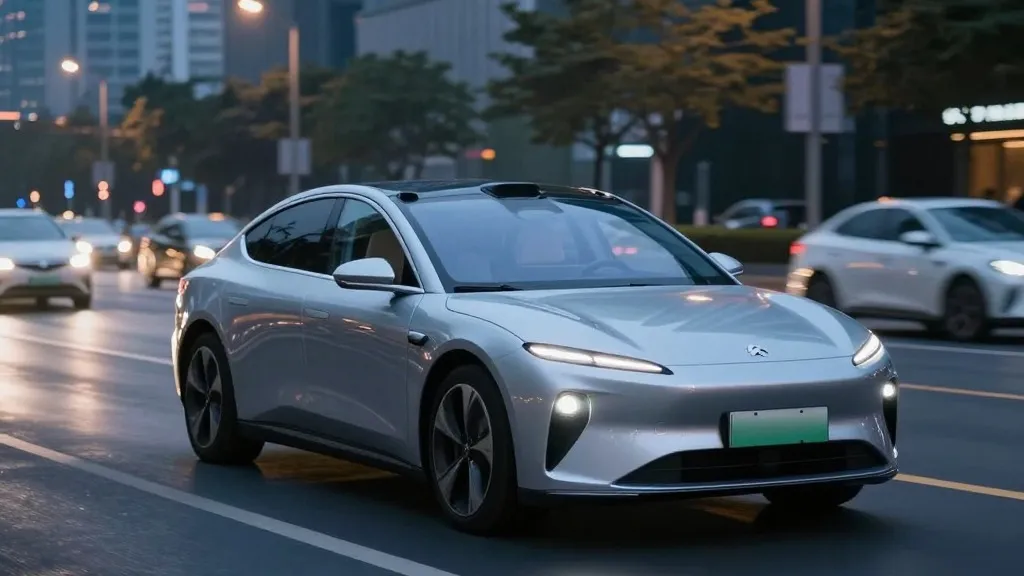
For drivers who purchased Tesla’s Full Self-Driving software, the practical reality of their vehicle's autonomy will change this quarter. However, the update is not a universal unlock that allows cars to operate anywhere. Instead, Tesla has set a specific timeline for when customer-owned vehicles can operate without a human driver, but only within the boundaries of its existing managed robotaxi networks.
During the company’s Q3 2026 earnings call held today, AI chief Ashok Elluswamy confirmed that unsupervised Full Self-Driving for owner-operated cars is targeted for the second quarter of 2027. This represents the latest date in a long series of promises made by CEO Elon Musk to buyers over the past decade. The announcement clarifies that the initial rollout will not be a general software update for all roads, but a specific integration of private vehicles into Tesla’s professional fleet infrastructure.
The clarification addresses a primary question from retail shareholders, who asked when they could expect unsupervised driving in their personal cars. That inquiry, representing approximately 1.1 million shares, sought a definitive timeline. Elluswamy’s response framed the 2027 target not as a standalone capability for any route, but as a step where owners add their vehicles to the company’s managed operations. This means the car’s autonomous function is tethered to the geographic areas where Tesla already runs its robotaxi service.
Currently, those zones are geographically constrained. Tesla’s robotaxi service operates in six U.S. metropolitan areas, with service areas covering small slices of those cities. In Miami, the zone largely includes West Miami and a strip toward Doral and Sweetwater. Orlando and Tampa launched in July with similarly limited geofences. Within these areas, the service relies on low-speed routes and generally avoids highways and complex urban sections. In the Bay Area, the service is not fully unsupervised; California regulations still require a safety driver in every vehicle because Tesla has not yet released the data required for levels beyond Level 2 autonomy.
The scale of this operation remains modest compared to broader industry expectations. Tesla reported that its robotaxi fleet reached nearly 2 million cumulative unsupervised miles by the end of the third quarter, a figure that includes the Cybercab which joined the Austin fleet last month. Third-party tracking from this spring indicated that only dozens of fully driverless Teslas were on the road, a fraction of the hundreds of thousands previously discussed by Musk. Competitor Waymo, which was already present in Orlando and Tampa before Tesla’s entry, has logged over 3 million miles.
The current product differs significantly from the original sales pitch. For years, buyers were told that a software update would eventually allow their cars to drive themselves anywhere. In July 2025, Musk stated that unsupervised personal use would be available in certain geographies by the end of that year. A year prior, he suggested he would be surprised if the technology wasn't ready the following year. Additionally, owners with Hardware 3 systems have been informed that their computers cannot run unsupervised FSD, with no clear upgrade path provided.
The new target narrows the scope: customer cars will join Tesla’s fleet, operate in Tesla’s zones, and follow Tesla’s terms. This excludes highway road trips, airport commutes across town, or unsupervised drives unless the user lives and works entirely within a designated zone. Elluswamy reiterated that safety remains the primary bottleneck, limiting operations to lower-speed roads and simpler environments. While he guesses these safety issues will be resolved by next year, he acknowledged uncertainty regarding the exact timing.
For the average consumer, this means the promise of a car that drives them anywhere while they sleep has been replaced by a more limited utility. The vehicle can now serve as a robotaxi within a small, controlled geofence. Until Tesla expands these zones and resolves regulatory hurdles, such as the California DMV approval process, the practical benefits of unsupervised driving will remain localized to specific urban pockets rather than being a universal feature of ownership.
Source: Electrek