A $1.2 Billion Bet on Genetic War Dogs Reshapes Military Procurement
New venture Warhound seeks to solve the U.S. military's reliance on foreign-sourced working dogs through gene editing and advanced tactical gear.
By Amy Swan ·
The United States military faces a critical and growing logistical vulnerability: a significant portion of its working dog force is imported from Europe, with fewer than half of those animals deemed fit for service upon arrival. This dependency on foreign supply chains for assets that play pivotal roles in bomb detection and search operations has created a tension between operational necessity and domestic self-sufficiency. To address this gap, a new venture called Warhound has emerged from stealth mode, backed by $200 million in funding and a valuation of $1.2 billion. The company’s core proposition is to genetically engineer canines specifically for the demands of modern warfare, aiming to produce animals that are healthier, longer-lived, and more specialized than their naturally bred counterparts.
Warhound is a collaboration between Ben Lamm of Colossal Biosciences and Palmer Luckey of Anduril Industries. The two founders met approximately a year ago at a conference, where Luckey expressed the need for more support for the military’s canine units. Lamm subsequently investigated the breeding practices of working dogs, discovering that many candidates fail during training due to hereditary conditions such as poor eyesight, cancer predispositions, hip dysplasia, or muscle atrophy. Lamm believes that by editing the genes of top-performing breeds, such as the Belgian Malinois and German Shepherd, his team can create a "new type of dog" that is optimized for speed, agility, and olfactory precision.
The technical approach involves extracting cell lines from elite working dogs and storing them in a biobank. From this foundation, the team intends to edit the genetic code, adding traits that enhance performance and removing those associated with health issues. The goal is not merely to create a better pet, but a biological asset engineered for demanding missions. Lamm noted that the enhancements are designed to improve longevity and specific physical capabilities, ensuring that the animals can withstand the rigors of service without succumbing to the common ailments that plague traditional working dog breeds.
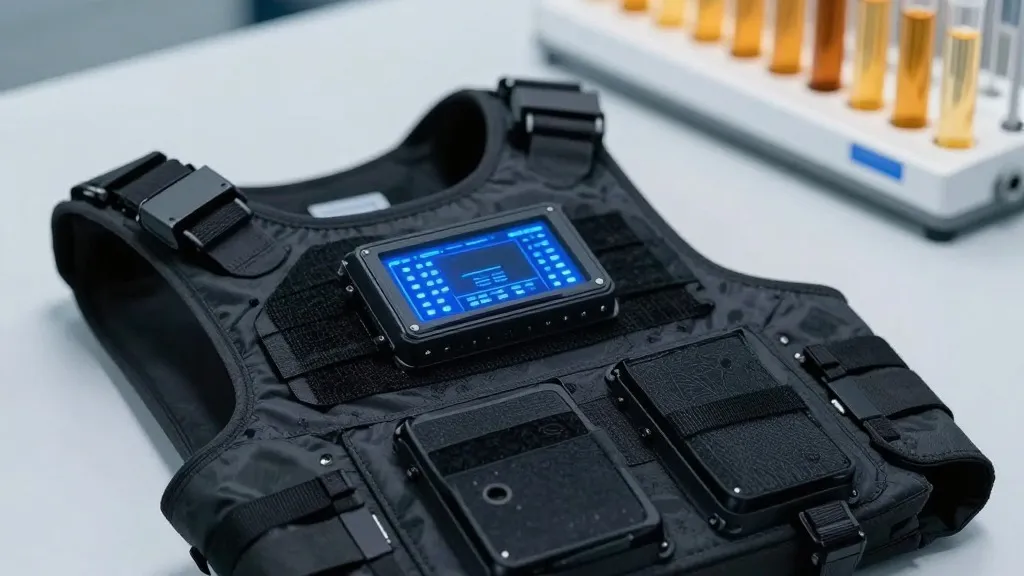
While Colossal Biosciences provides the genetic engineering expertise, Anduril will supply the technological infrastructure to support these animals. The defense technology firm will provide hardware and software, including protective vests and goggles, designed to enhance situational awareness for both the dogs and their human handlers. Lamm described these additions as external enhancements that complement the genetic improvements. For instance, bulletproof vests embedded with data sensors could relay real-time information to handlers, allowing for better coordination and protection in the field. This combination of internal biological optimization and external technological augmentation is intended to maximize the effectiveness and safety of the unit.
The production of these new dogs is in its early stages. Viagen, another company owned by Colossal, will partner with Warhound to handle the cloning process. Lamm stated that the first batch of dogs is currently being cloned and incubated, with births expected in early 2027. If the timeline holds, these animals could enter service within two years. Viagen’s cloning technology is noted for its high success rate, a capability Colossal already utilizes in its programs to protect endangered species. The first generation of these engineered war dogs will be a direct result of this collaborative technology stack.
The business model remains under development, with Warhound yet to determine the final price point for its canines. The company expects to sell to first responders, the Department of Defense, various military service groups, and police forces. In terms of regulatory oversight, Lamm indicated that the company has already briefed numerous government entities about the venture. When questioned about the safety of integrating genetically enhanced dogs into civilian and military environments, Lamm assured that each animal will undergo standard military working dog training and will be managed by the purchasing organization.
Ethical considerations and animal welfare are being addressed through a partnership with the American Humane Society. The company is working under the Society’s guidance to certify its training program, ensuring that the new dogs are treated humanely throughout their service lives. Additionally, the company hopes that when these military dogs retire, they will be eligible for the Society’s Military Working Dog Reunification Program, which facilitates the placement of retired canines into permanent homes. This arrangement aims to ensure that the animals are not just tools of war but are also cared for in their post-service years.
The American Humane Society has publicly welcomed the collaboration. In a statement, the organization noted that it was pleased to be invited to the table by Warhound and Colossal. The Society described itself as a national organization grounded in science and ethics, and it expressed its intention to work closely with the new venture to ensure that the animals in their care are treated with the appropriate level of humane consideration.
The venture structure reflects the distinct roles of the founders. Lamm confirmed that Luckey serves as a partner in the venture but holds no equity in the company. Instead, Colossal Biosciences owns the equity and supports the business by licensing its proprietary technology. This arrangement allows the founders to leverage their respective strengths in biotechnology and defense electronics without diluting the ownership structure of the core engineering entity.
As the project moves from concept to biological reality, the success of Warhound will depend on its ability to deliver on its promise of superior performance and health. The $200 million in funding from investors including Sequoia, 8VC, Corner Ventures, and In-Q-Tel signals strong confidence in the potential of this bio-tech hybrid approach. If the first generation of dogs performs as predicted, the U.S. military may shift its procurement strategy significantly, reducing its reliance on international sources and establishing a new standard for the canine assets that support its most dangerous missions.
Source: TechCrunch